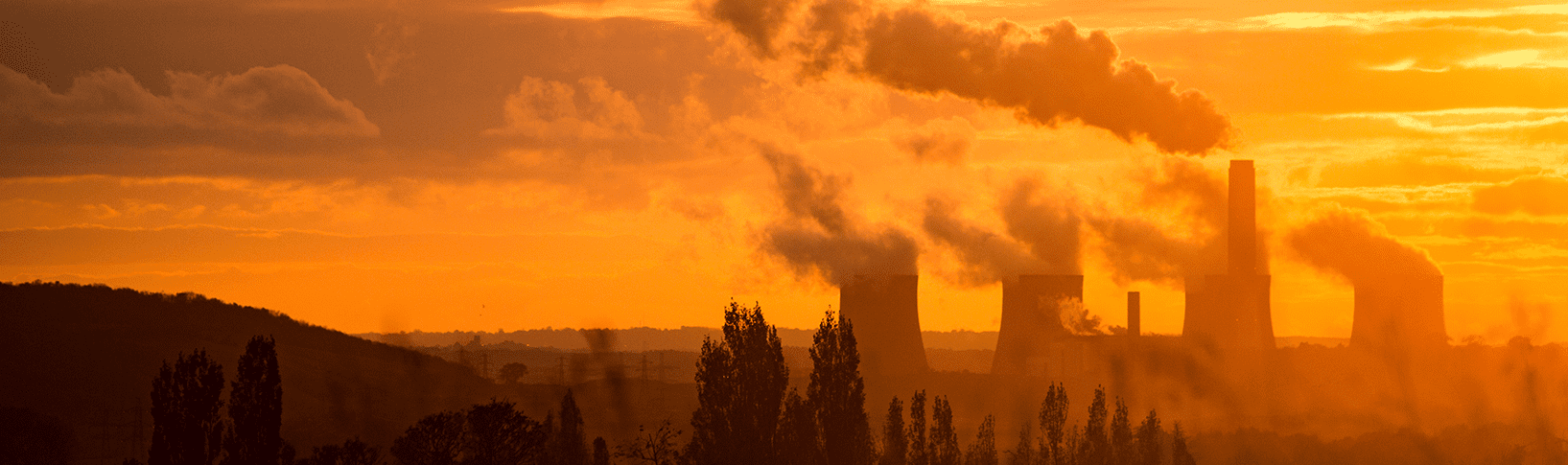
We all know that pollution is bad for the environment, but did you know that it can also be harmful to your skin? Pollution may not be the first thing we think about when considering our skincare routine – but maybe it should be. Sun damage is understood to be the main cause of premature skin ageing. But recent research suggests that environmental pollution can also cause skin aging, in addition to its other adverse effects on our health.
Luckily, EDAFENCE, the patented anti-oxidant, anti-pollution technology from ALLSKIN | MED, can prevent and repair damage caused by external environmental stressors (oxidising agents, tobacco smoke, heavy metals and urban pollutants).
What types of pollution can harm our skin?
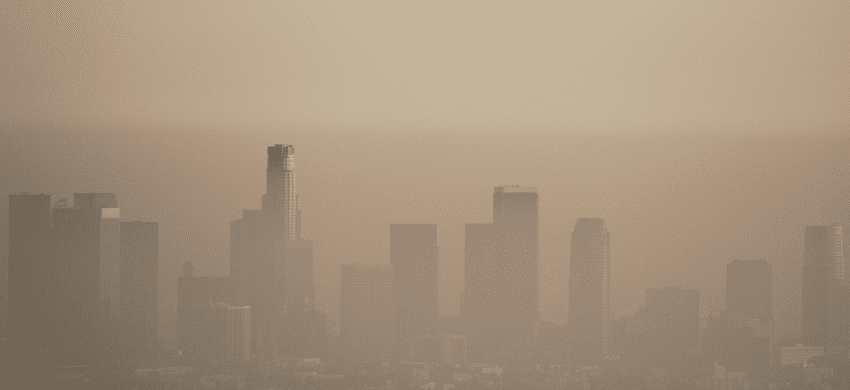
As our body’s first line of defence and largest organ, skin, is constantly exposed to pollutants in the environment. Pollution is made up of both organic and inorganic substances, introduced into the atmosphere from natural sources and human activity and which pose a risk for human health and the ecosystem.1
Pollutants that are believed to contribute to skin aging include:
- particulate matter
- fossil fuels and other organic compounds
- ozone
- pollutants from solvents (paint, vehicle emissions, industrial output)
- tobacco smoke
- heavy metals
- pesticides and other chemical compounds
How does pollution affect the skin?
To sum up, pollution is made up of tiny particles, such as smoke, dust, and chemicals, that can penetrate the skin and cause damage on a cellular level. These particles can trigger inflammation, which can lead to a breakdown of collagen and elastin in the skin. Collagen and elastin are essential proteins that keep the skin firm and elastic, so their breakdown can result in fine lines, wrinkles, sagging and a loss of firmness.
Pollution can also cause oxidative stress, which occurs when there is an imbalance between free radicals and anti-oxidants in the body. Free radicals are unstable molecules that can damage cells. Anti-oxidants attach themselves to free radicals to neutralise them. When pollution triggers oxidative stress in the skin, it can lead to inflammation, premature aging, and skin diseases, including skin cancer.
The exact mechanisms by which environmental pollution affects the skin are not yet fully understood. However, the latest scientific evidence suggests that there are several potential mechanisms by which pollutants can cause skin damage.
These mechanisms are:
- Aryl hydrocarbon receptor (AhR) activation
- Reactive oxygen species (ROS) generation
- Skin barrier alteration
Let’s dig into each of these.
Aryl hydrocarbon receptor (AhR) activation: AhRs are proteins that act as sensors to toxicity and mediate environmental-cell interactions. They are found in several types of skin cells whose job is to regulate cell proliferation, melanogenesis (the production of melanin, or skin pigmentation) and inflammation. Tobacco smoke, ozone, and particular matter can activate the AhR receptor and disrupt the functioning of the cell in which it sits, leading to hyperpigmentation, loss of collagen, and inflammation.
Reactive oxygen species (ROS) generation: ROS is a type of free radical, those unstable molecules that can cause oxidative stress that leads to a number of problems, including aging skin. Exposure to ozone and possibly also tobacco smoke can cause the oxidative damage that generate ROS.
Skin barrier alteration: Damage to the skin barrier makes it more vulnerable to harmful external substances, resulting in things like inflammation and dryness.

What can be done about it?
A dedicated cleansing routine will remove harmful particles from the skin, but that won’t be able to eliminate the problem entirely.
EDAFENCE: Powerful anti-oxidant protection
There is a way to protect your skin from the realities of modern living: EDAFENCE from ALLSKIN | MED provides powerful anti-oxidant activity AND is proven to prevent stimulation of the AhR receptor.
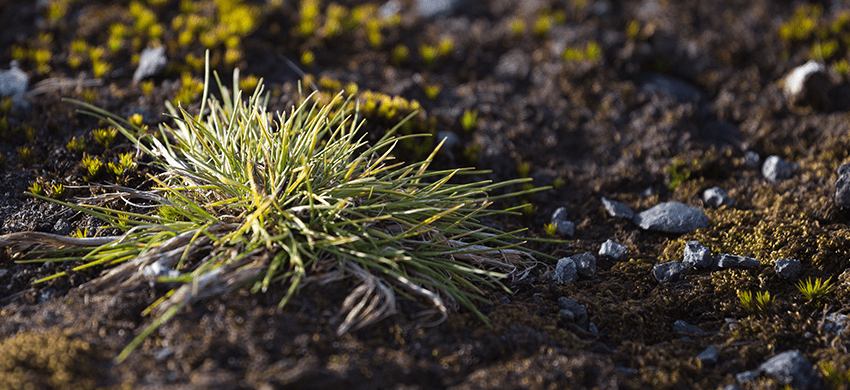
EDAFENCE is derived from Deschampsia antarctica, an Antarctic plant that is able to survive in an extreme environment of intense solar irradiation, salinity, strong winds, low temperatures and extreme dryness.
EDAFENCE offers clinically proven benefits
- Inhibits the stimulation of the AhR receptor2
- Protects against free radical damage3
- Protects against damage caused by pollutants, UVA/UVB and high energy visible light including blue light2,3,4,5
- Prevents alterations to the epidermis, dermis and dermo-epidermal junction6
- Prevents damage to DNA7
- Reduces pigmentation6
- Strengthens the skin barrier2
- Reduces transepidermal water loss6
EDAFENCE products
EDAFENCE’s powerful pollution fighting and anti-oxidant protection can be found in ALLSKIN MED’s three Renewal Serums and Restore Cream.
These powerhouse products are designed to protect your skin from environmental pollutants, but also do so much more.
Renewal Serums: Available in three strengths to tailor to differing skin types and sensitivities, these serums combine immediate and sustained release retinoids for cellular renewal, alongside the pollutant fighting power of EDAFENCE, niacinamide and skin hydrators to strength the skin barrier, chamomile and liquorice extract to soothe the skin, and an anti-oxidant complex of vitamins C and E. Renewal Serums are available in 0.2%, 0.5%, and 1% retinol concentrations.
Restore Cream: ALLSKIN | MED Restore Cream is an intensely hydrating cream that improves the skin barrier, enhancing the effects of retinoids on the skin. The cream also features EDAFENCE anti-pollution technology and protective anti-oxidants. Used in conjunction with the serums, it can prevent possible irritation caused by retinoids as your skin adjusts to them.
In combination with high-quality sun protection, ALLSKIN | MED’s Renewal Serum and Restore Cream can defend your skin against external causes of photoaging.
Find your nearest ALLSKIN | MED clinic and find out which products are most suited to your skin.
References:
1 Mancebo SE, Wang SQ. Recognizing the impact of ambient air pollution on skin health. J Eur Acad Dermatol Venereol. 2015;29(12):2326-2332.
2 Zamarrón A, Morel E, Lucena SR, et al. Extract of Deschampsia antarctica (EDA) Prevents Dermal Cell Damage Induced by UV Radiation and 2,3,7,8-Tetrachlorodibenzo-p-dioxin. Int J Mol Sci. 2019;20(6):1356.
3 Ortiz-Espin A, de Celix R, Brieva AD, Guerrero A, Gonzalez AS, Sevilla F. The extract of Deschampsia antarctica (EDA) protects fibroblasts viability from the effects of environmental oxidants and pollutants. J Clin Investig Dermatol. 2017;137(5):S124–S124.
4 Fuks K.B., Woodby B., Valacchi G. Skin damage by tropospheric ozone. Hautarzt. 2019:1–5.
5 Lorrio S, Rodríguez-Luna A, Delgado-Wicke P, et al. Protective Effect of the Aqueous Extract of Deschampsia antarctica (EDAFENCE®) on Skin Cells against Blue Light Emitted from Digital Devices. Int J Mol Sci. 2020;21(3):988.
6 Milani M, Cortelazzi C, Chieco P, Ferrazzi A, Gargano N, Maiani E, et al. (2019) Efficacy and Tolerability of a Tretinoin 0.02%, Clindamycin 0.8% and Glycolic Acid 4% Gel in Acne: A Multicenter, Prospective, Pragmatic, Assessor- Blinded, 12-Week Trial on 159 Subjects. J Clin Exp Dermatol Res. 2019;10(4):1-7. Milani M, Hashtroody B, Piacentini M, Celleno L. Skin protective effects of an antipollution, antioxidant serum containing Deschampsia antarctica extract, ferulic acid and vitamin C: a controlled single-blind, prospective trial in women living in urbanized, high air pollution area. Clin Cosmet Investig Dermatol. 2019;12:393-399. Published 2019 May 29. doi:10.2147/CCID.S204905.
7 Fernández-Maros S et al. Protective effects of aqueous extract of Deschampsia antarctica against urban air pollutants in human skin model. EADV. 2019
Related products
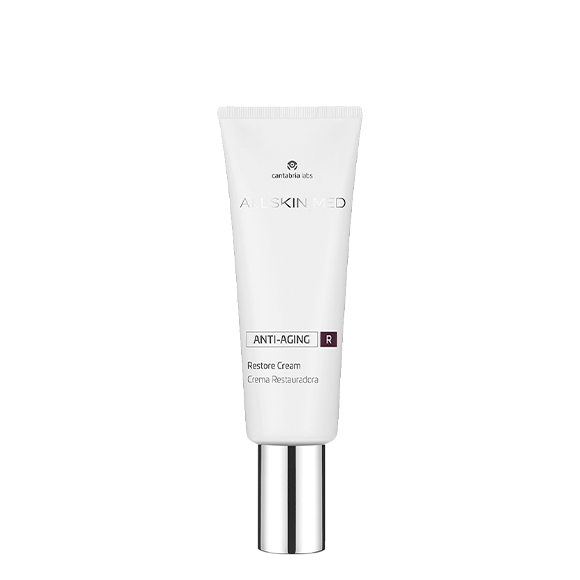
ANTI-AGING R
Restore Cream
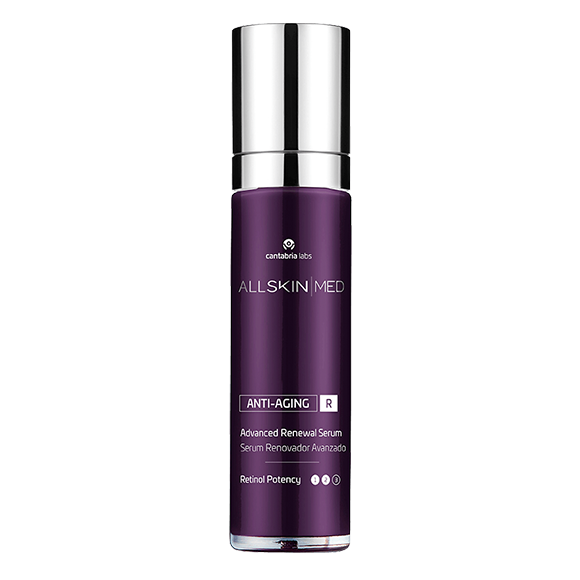
ANTI-AGING R
Essential Renewal Serum
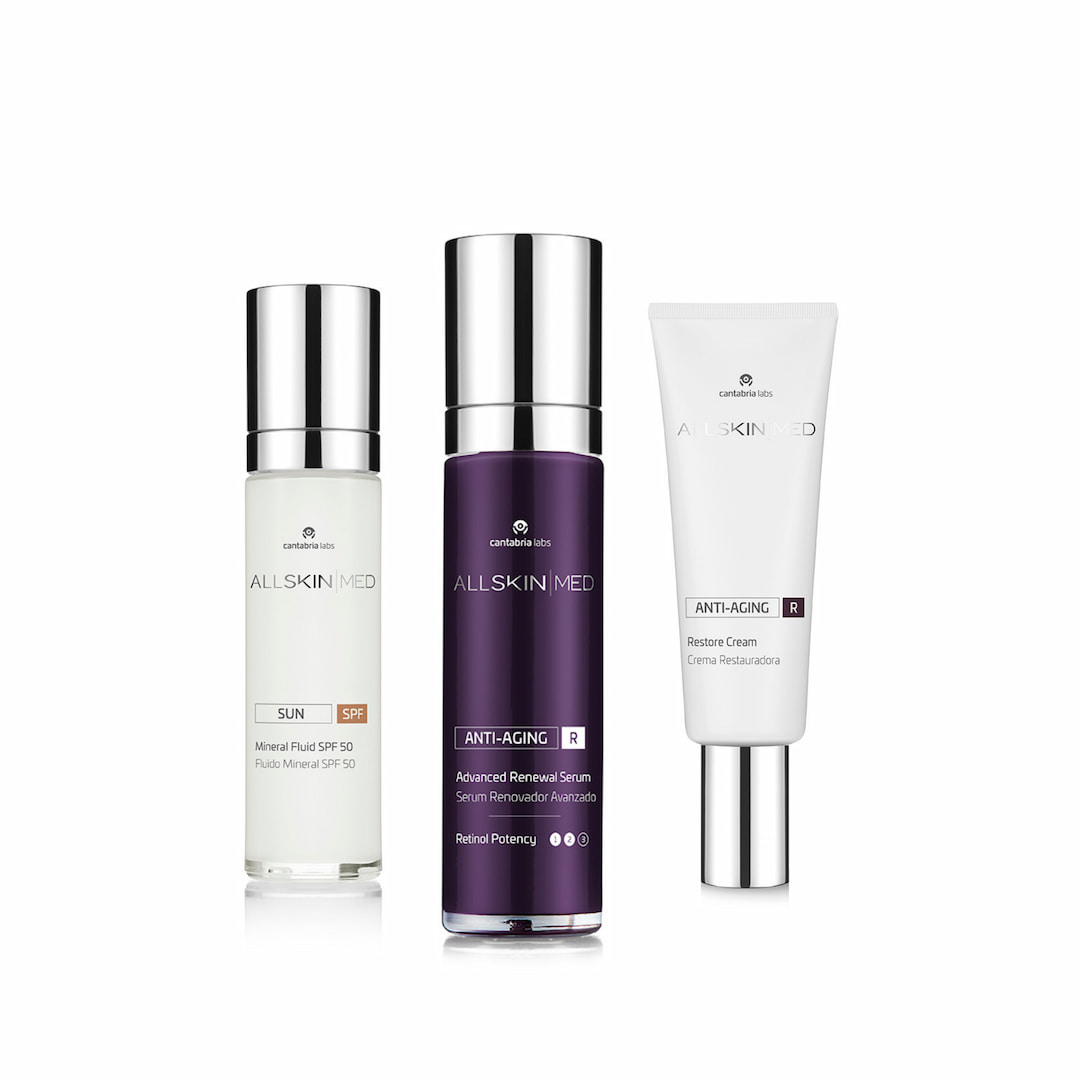
ANTI-AGING R
Advanced Retinol Regime